
Tenants of Lenapehocking in the Age of Magnets
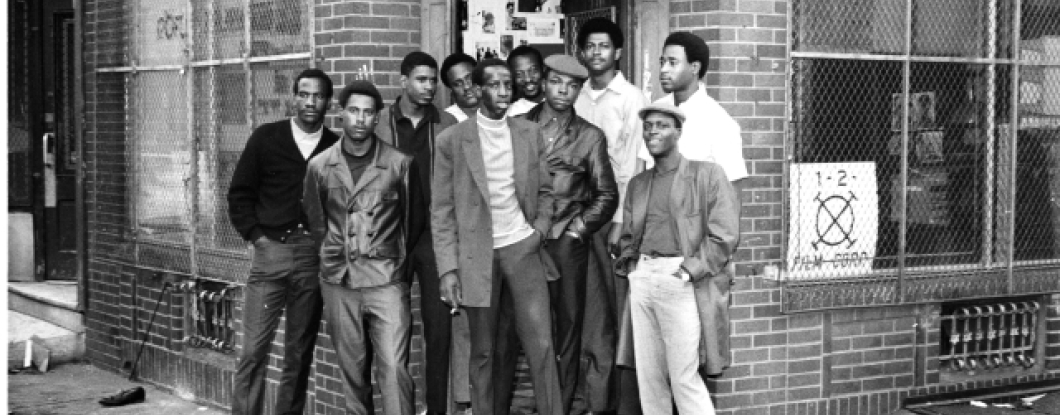
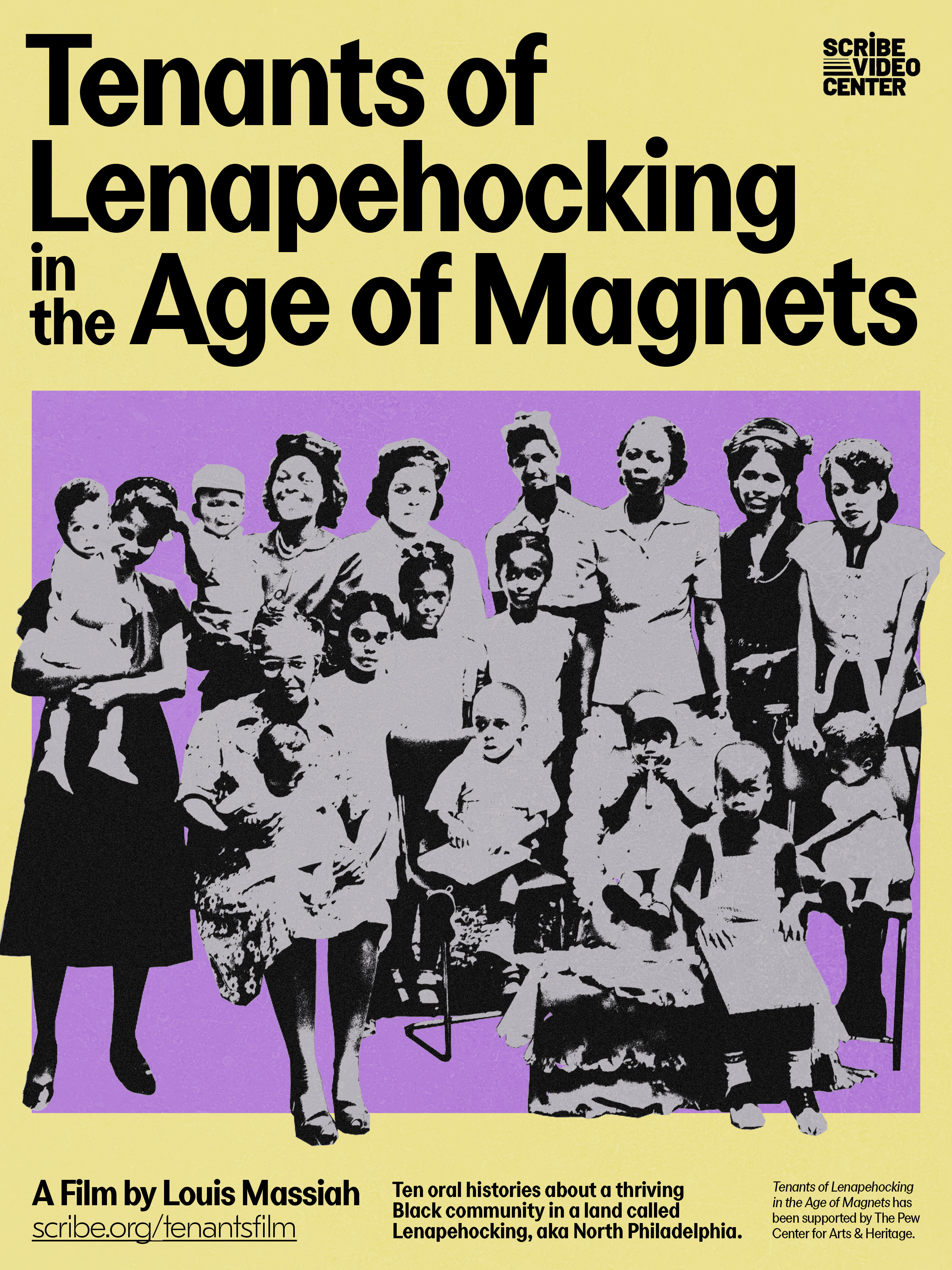
Tenants of Lenapehocking in the Age of Magnets is a story about a land and its inhabitants, focusing on the everyday moments and influential movements of a thriving Black community in an area between the Delaware and Schuylkill Rivers known as North Philadelphia, and the original homeland of the Lenape people. Ten oral histories provide a spine for this documentary to explore a 20th century history of Black social, cultural, and political life that rippled throughout the world, animated by the photography archive from the John W. Mosley Photography Collection of the Charles L. Blockson Afro-American Collection and other archives. Featured interviews and participants: Cecily Moore Banks, Elaine Brown, Dr. John Churchville, David Litofsky, Dr. Rae Alexander Minter, Chief Bob Redhawk Ruth, Jamaaladeen Tacuma, Rev. Frank Tyson, Karen Warrington, and Rev. Joseph Williams.
Archival photos courtesy of the Charles L. Blockson Afro-American Collection, Temple University Libraries.
For questions about educational licensing, screenings, and partnerships, please contact Will Michael at william@scribe.org.
NEWS:
Tenants of Lenapehocking in the Age of Magnets Selected to Screen at the 15th BlackStar Film Festival
Tenants will screen at the 2026 BlackStar Film Festival at the Kimmel Center on Thursday, August 6 at 5:30pm. It will also be available to stream online beginning on August 6 at 9:00pm. Tickets can be purchased on the BlackStar Projects website.
Part historical meditation, part civic inquiry, Tenants of Lenapehocking in the Age of Magnets explores the intertwined stories of land, displacement, and Black life in North Philadelphia through ten oral histories and the extraordinary photographic archive of John W. Mosley (1907-1969). Situated on Lenapehocking, the ancestral homeland of the Lenape people, the film invites audiences to reconsider what it means to belong to a place shaped by migration, extraction, memory, and resilience.
"The film asks us to think differently about tenancy," said director Louis Massiah. "Not simply as a legal relationship to housing, but as a way of understanding the collective impermanence of everyone on this land, and therefore a way to question ownership as opposed to stewardship. Tenancy is a humbler way to talk about this sense of responsibility and our relationship to land, history, community, and one another."